Epic History
A thousand years of Irish history, from Gaelic chieftains to Norse sea-wolves.
“The land belonged only to the mist, the eagle, and the quiet clans of the high gaps.”
Prologue
An Epic Saga of Blood, Stone & Homecoming
An epic Irish bloodline. A land forged by iron and sea.
A thousand years of war, survival and legacy
in the shadow of the Mourne Mountains.
Meet the Author
Author of Kings of the Mourne, his debut saga
Martin Mournian has always felt the pull of the granite peaks. He remembers clearly the first time he stood in their shadow, struck by the imposing scale of the Mournes and the silence that seemed to carry the weight of centuries. That moment sparked a lifelong obsession with the land, leading him on a journey to uncover the lives of those who toiled here long before him.
As a Director at MourBuild Limited, Martin brings the same dedication to quality and structure to his writing as he does to his professional life.
Kings of the Mourne is his debut saga: a story of blood, iron, and a homecoming to the mountains that shaped his ancestors and his own creative spirit.
A thousand years of Irish history, from Gaelic chieftains to Norse sea-wolves.
“The land belonged only to the mist, the eagle, and the quiet clans of the high gaps.”
Prologue
Generations bound by blood, land and an unbreakable will.
“The mountain has called its children home.”
Dedication
Empires fall, but some endure. A story of sacrifice, resilience and hope.
“We will make the Danes bleed for every inch of heather they step on.”
Ivar · Chapter 9
Rugged mountains, ancient seas and a land that shapes destinies.
“What remains is the stone. Unbroken, unyielding, and eternal.”
Epigraph
About the Book
A Thousand Year Saga
A novel by Martin Mournian
High above the narrow throat of Carlingford Lough, the granite peaks of Slieve Martin hold the secrets of centuries. What remains when empires fall, mines go quiet, and war turns to peace is the stone itself: unbroken, unyielding, and eternal.
Spanning a thousand years of Irish history, Kings of the Mourne follows an enduring bloodline bound to the land by sacred iron and silver. From Gaelic chieftains and Norse sea-wolves forging alliances in the mountain depths, to the brutal rise of Norman strongholds, their story is one of relentless survival.
Through the dark horrors of the Great Famine and the heart-wrenching flight across the Irish Sea to the soot-choked coal pits of Yorkshire, the land never forgets its own. When the descendants return to their ancestral ridges amidst the violent backdrop of the Troubles, the saga comes full circle in a powerful, sweeping tale of sacrifice, identity, and the irresistible pull of home.
A thousand years. One remarkable story. Begin the journey through blood, stone and homecoming in the shadow of the Mourne Mountains.
Explore the Saga
A sweeping tale of people, places and relentless survival across a land of mountains, sea and stone.
I
Granite crags, high mountain gaps and veins of native silver buried deep in the living rock of Slieve Martin, where the peaks fall away towards the narrow throat of Carlingford Lough.
II
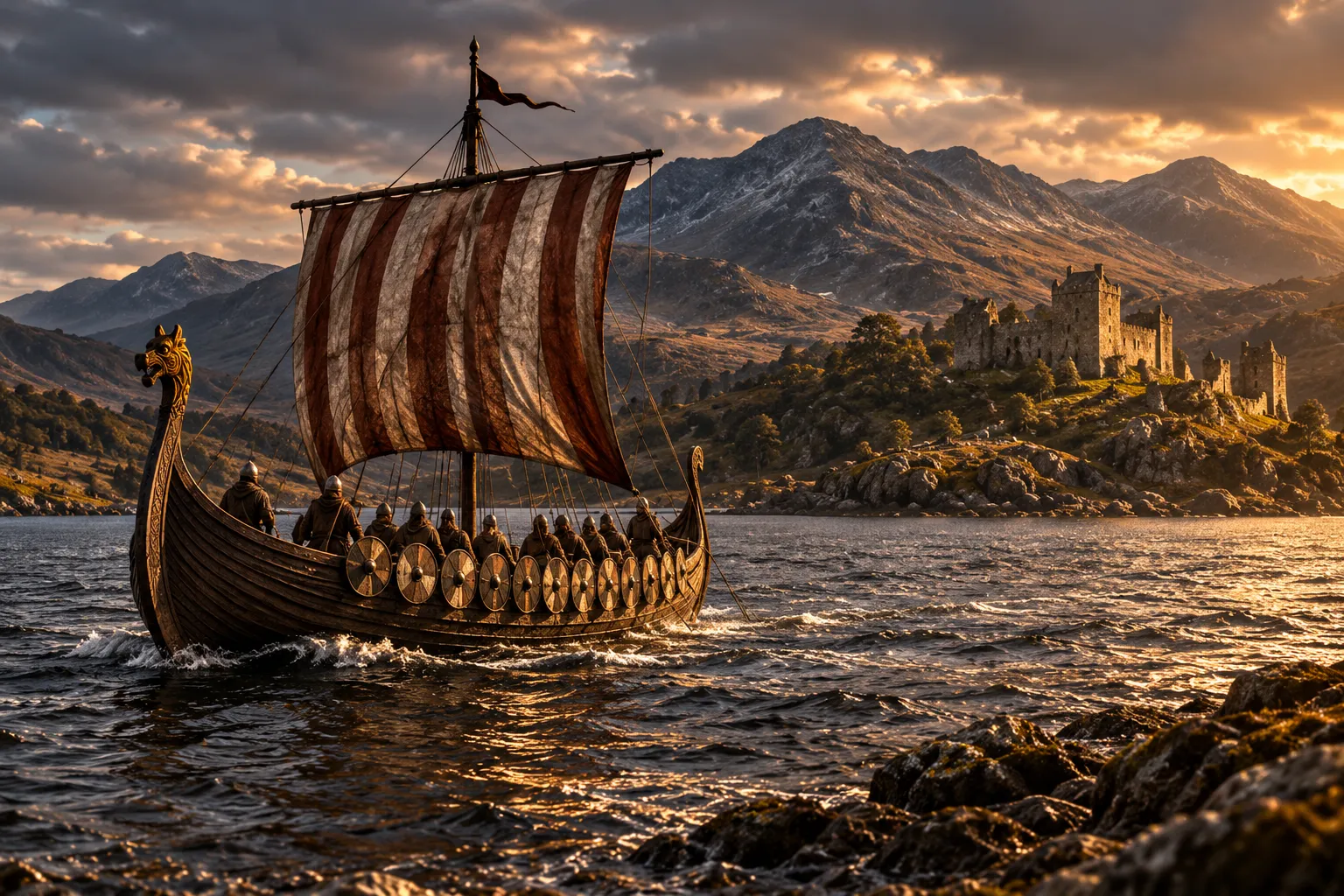
Gaelic chieftains with light ash spears, Northmen who traded the ocean for the forge, famine cottiers and the pit-lads of Yorkshire: one bloodline, a thousand years of lives.
III
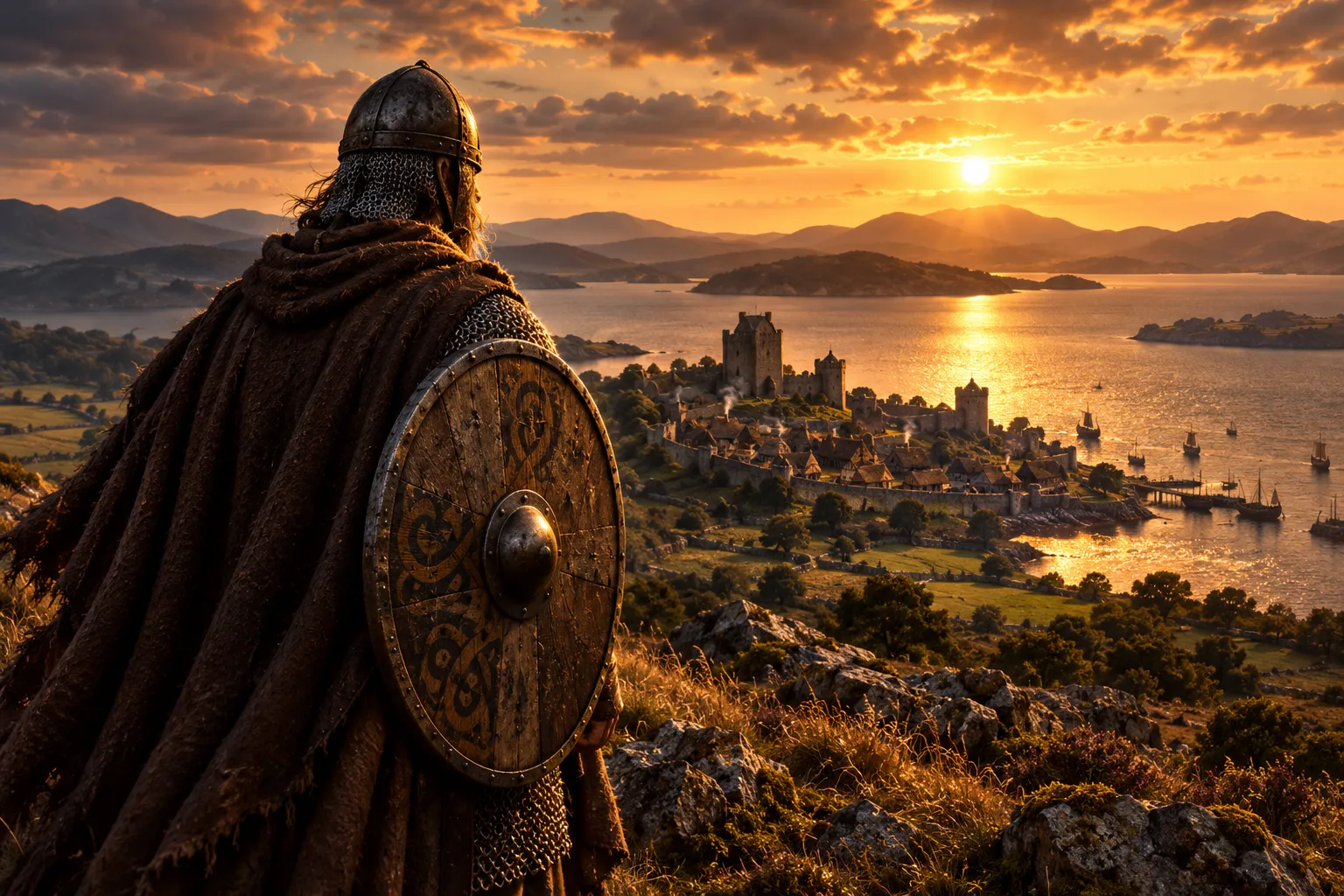
From dragon-ships on the lough and the rise of Norman strongholds to famine, exile and the Troubles, the saga comes full circle in the irresistible pull of home.
A Taste of the Saga
Circa 5th century AD, high on Slieve Martin, a smith and a pilgrim forge a silver vessel whose story will echo through a thousand years.
Circa 5th Century AD
The Heights of Slieve Martin
The smoke that rose from the stone hearth did not smell of coal or the bitumen of foreign ships. It smelled of dried mountain bog-peat, green birch, and the sweet, lingering musk of wild heather honey. High in the western shoulder of the peaks, where the granite crags of Slieve Martin drop away towards the narrow throat of Carlingford Lough, the night was freezing and vast. The sea below was not yet carved by the keels of the dragon-ships, nor had the iron horses of the Normans ever trodden its salt marshes.
The land belonged only to the mist, the eagle, and the quiet clans of the high gaps. Inside a low, corbelled cell of unmortared grey fieldstone, two men knelt beside a charcoal furnace. One was Ciarán, an elder smith of the mountain folk. His beard was grey and stained with charcoal soot, his arms thick and corded from half a century of beating bog-iron into scythes and hunting points. In his scarred hands he held a pair of crude bronze tongs, gripping an earthenware crucible nestled in the white-hot heart of the embers.
7Beside him sat the wanderer. The man wore a simple mantle of unbleached wool, pinned with a plain bone bodkin. His face was weathered by decades of walking the boggy tracks from Connacht to the glens of Antrim, his hair thin and silvered, but his grey eyes possessed a terrifying, quiet clarity. In the low valley at the mountain’s foot, they called him the Shepherd of Souls; here upon the rock, he was merely Patrick, a pilgrim who had learned the weight of exile as a slave on Slemish before returning to bind this island to a higher peace.
“The ore is running clear, Father,” Ciarán whispered, his voice a low gravel rasp that matched the wind outside. With a deft, steady turn of his wrist, the old smith lifted the glowing crucible from the coals. The liquid within was not the dull, brittle lead of the common adits. It was native silver chipped with bone chisels from a virgin vein four hundred feet deep within the living granite ribs of Slieve Martin. It glowed with a pale, incandescent violet light, liquid frost dancing upon liquid fire. Patrick did not speak.
8He leaned forward, holding a two-part mould carved from dense, fine-grained grey river-slate, its inner cavity greased with mutton tallow. Ciarán tilted the crucible. The molten silver flowed into the stone with a soft, singing hiss. A curl of sweet, aromatic smoke rose to the chimney hole, smelling of petrified earth, mountain run-off, and ancient quartz. For an hour, neither man moved. The only sound in the cell was the steady, rhythmic draw of the upland wind through the drystone joints and the gradual cooling of the metal.
When the slate mould was split with a bronze wedge, the vessel rolled out onto the sheepskin fleece. It was not the delicate, gilded plate of the Roman bishops, nor the fragile glass of the Gaulish traders.
It was broad, heavy, and unyielding, a chalice forged of solid mountain silver, broad-lipped and deep, set upon a thick, knopped stem with a wide circular foot carved from the very river-stone of the glen below. Patrick lifted a fine iron burin from the tool-cloth. With slow, reverent precision, his calloused hands began to engrave the cooling silver.
9Around the flared rim, he carved the ancient, unbroken ribbon-work of the Gael: spirals and knots that had no beginning and no end, mirroring the eternal cycle of the seasons and the enduring life of the land. Beneath the knotwork, entwined with the native ribbon-bands, he cut the clean, severe Latin characters of the New Faith: Sanctuarium Domini — Sanctuary of the Lord.
The saga continues inChapter One · The Wedding
10From the silver of Slieve Martin to the coal pits of Yorkshire and back to the ancestral ridges, a thousand years of blood, stone and homecoming lie ahead.
Buy the BookClick a page or use your arrow keys to turn it